
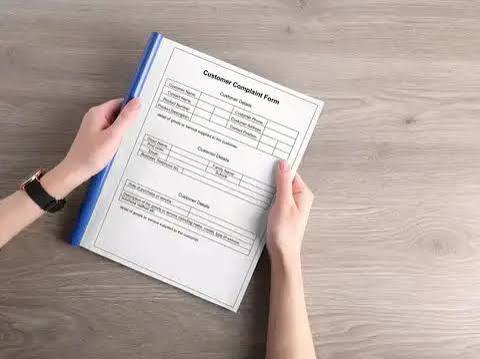
A consumer complaint can provide a legal remedy when goods are defective, services are deficient, a promised refund is withheld or a business engages in conduct prohibited by consumer protection law. The Consumer Protection Act, 2019 provides a framework for consumers to seek appropriate relief before the Consumer Disputes Redressal Commissions. However, filing a complaint involves more than describing a bad experience or demanding a refund. The complainant must identify the legal basis of the grievance, establish the relevant facts, preserve supporting evidence and approach the appropriate Commission in accordance with the applicable law and procedure.
Some disputes that appear straightforward can raise important legal questions. A buyer may have paid for a product but may not fall within the statutory definition of a consumer in the circumstances of the transaction. A customer may have a genuine grievance but lack the documents needed to establish it. A complaint may demand compensation without explaining the basis of the amount claimed, or it may be filed before a Commission that does not have the appropriate jurisdiction.
These issues do not necessarily mean that a consumer has no remedy. They mean that the facts and legal requirements should be examined before filing.
This article explains common mistakes to avoid when filing a consumer complaint in India, why those mistakes matter and what consumers should consider before approaching a Consumer Commission.
Failing to Check Whether the Dispute Qualifies as a Consumer Complaint
Before preparing a complaint, the first question should be whether the transaction and grievance fall within the Consumer Protection Act, 2019. Not every disagreement involving a purchase, payment or contract automatically becomes a consumer dispute under the Act.
Section 2(7) of the Consumer Protection Act, 2019 defines who qualifies as a consumer. Broadly, the definition covers a person who buys goods or hires or avails services for consideration, including consideration that has been paid, promised, partly paid or partly promised, subject to the statutory conditions and exclusions.
The Act also contains important qualifications. For example, a person who obtains goods for resale or for a commercial purpose is generally excluded from the definition of a consumer. However, the definition contains an exception concerning goods bought and used exclusively to earn a livelihood through self-employment. Whether that exception applies depends on the facts; it should not be assumed merely because the purchaser is an individual or operates a small business. The position concerning services must also be examined in light of the statutory definition and applicable judicial decisions. The nature of the service, the purpose for which it was obtained and any relevant exclusion may affect whether a consumer complaint is maintainable.
Consider a simple illustration. A person buys a refrigerator for personal use and discovers that it has a manufacturing defect. That transaction may ordinarily fall within consumer protection law, subject to the facts and evidence. By contrast, a business purchasing goods for resale cannot automatically invoke the same remedy merely because the supplier has failed to perform its contractual obligations. The appropriate legal route depends on the nature and purpose of the transaction and the applicable law. This distinction matters because the wrong legal approach can lead to unnecessary expense and delay. A genuine contractual dispute may still have a remedy, but that remedy may need to be assessed under contract law or another applicable legal framework rather than assumed to fall within consumer protection law.
How to avoid this mistake
Before drafting the complaint, identify who purchased the goods or obtained the service, the purpose of the transaction, the consideration paid or promised, and the nature of the grievance. Examine whether the complainant falls within the statutory definition of a consumer and whether any exclusion may apply.
If the transaction involves a business, a professional service, a commercial purchase or a complicated contractual arrangement, the legal position should be assessed carefully. The fact that a person has suffered a financial loss does not, by itself, establish that the person is entitled to proceed before a Consumer Commission.
The relevant starting point is the definition of “consumer” in Section 2(7) of the Consumer Protection Act, 2019.
Filing a Complaint Without Identifying the Actual Defect, Deficiency or Unfair Practice
Another mistake is assuming that dissatisfaction with a product or service is sufficient, by itself, to establish a legal claim. A consumer complaint should identify what went wrong and explain why the conduct complained of gives rise to a remedy under the Act. For instance, a customer may be unhappy with a product because it does not meet personal expectations. That dissatisfaction does not automatically establish a defect. The complaint may need to identify the product’s actual condition, the quality or specifications represented by the seller, the applicable warranty or contractual terms, and the way in which the product allegedly fails to meet the relevant standard. Similarly, a service taking longer than expected does not automatically establish deficiency in every circumstance. The agreement, promised timeline, reasons for the delay, communications between the parties and any applicable legal obligation may all be relevant. In some cases, a delay or failure to perform may amount to deficiency in service; in others, the factual and contractual position may be more complicated.
The Consumer Protection Act, 2019 recognizes different grounds for consumer complaints, including defects in goods, deficiency in services and unfair trade practices, subject to the statutory requirements. These concepts are related, but they are not interchangeable. A complaint should identify the ground that best fits the facts instead of using every legal expression without explaining its relevance. For example, if a seller advertises a product as having a particular specification but supplies a materially different product, the complaint should identify the representation, the product actually delivered and the evidence supporting the difference. If a service provider accepts payment for a defined service but fails to provide it, the complaint should explain the agreed obligation, the payment and the failure to perform.
How to avoid this mistake
Describe the specific conduct that gives rise to the grievance. Identify what was promised, what actually happened, when the problem arose, what steps were taken to resolve it and why the matter remains unresolved. Link these facts to the relevant legal ground and the remedy being sought. Avoid relying only on broad statements such as “the company cheated me,” “the service was poor” or “the product was bad.” Such expressions may convey frustration, but they do not replace the facts required to explain the complaint. Where dishonesty or an unfair practice is alleged, state the conduct and circumstances supporting that allegation rather than assuming that an unsatisfactory transaction necessarily proves it.
A clearly identified grievance makes it easier to determine which documents are relevant, which opposite party should respond and what relief may properly be requested.
Failing to Collect and Organize Evidence Before Filing
A consumer may have a genuine grievance but face difficulty establishing it if the relevant documents were not preserved. Evidence is not simply an attachment to the complaint; it helps establish the transaction, the obligation undertaken by the opposite party, the alleged failure and the basis of the relief sought. The documents required will vary according to the nature of the dispute. An invoice and payment receipt may establish that a product was purchased, but they may not establish that the product was defective when supplied. A warranty document may show the terms of a warranty, but additional correspondence or inspection material may be needed to explain why the seller or manufacturer allegedly failed to comply with those terms.
The same principle applies to service disputes. A person complaining about an insurance claim, a paid subscription, a repair service, an online order or a housing-related service may need different documents to establish the transaction and the alleged deficiency. There is no single set of documents that will prove every consumer complaint.
A useful approach is to consider what each important allegation will need to establish. If the complaint states that payment was made, retain the payment record. If it states that a refund was promised, preserve the communication containing that promise. If it alleges a defect, preserve evidence of the product’s condition and any inspection or repair undertaken. If it claims a particular financial loss, identify the records supporting that calculation. Electronic communications can be particularly important. Emails, messages, order confirmations, customer-service tickets and online refund records may help establish what was promised and how the opposite party responded. Consumers should retain the original electronic records wherever possible instead of relying exclusively on cropped or incomplete screenshots.
How to avoid this mistake
Create a chronological file containing the documents relating to the transaction and the subsequent grievance. Depending on the dispute, this may include:
- Invoices, receipts, payment confirmations and bank or payment-platform records.
- Purchase orders, contracts, order confirmations and relevant terms and conditions.
- Product descriptions, warranty documents and representations made at the time of purchase.
- Photographs, videos, inspection reports, repair records or technical assessments, where relevant.
- Emails, messages, customer-service complaints and replies from the opposite party.
- Delivery records, cancellation requests, refund requests and records of any promised resolution.
- Documents supporting the amount claimed as a refund, loss, expense or compensation.
Do not assume that every document must be created or obtained before a complaint can be filed. Some information may be unavailable or controlled by the opposite party. The important point is to preserve the material available, identify any evidentiary gaps and assess what further material may reasonably be needed. Electronic records should also be preserved carefully. Where electronic evidence is disputed, the applicable evidentiary requirements and the method of producing the record may need to be considered. A screenshot can help explain what happened, but it may not always answer questions about the source, completeness or authenticity of the underlying communication.
Finally, organize the documents so that each can be connected to a specific part of the complaint. A large collection of unlabeled attachments is less useful than a clear sequence showing the purchase, the problem, the complaint raised, the response received and the loss or remedy claimed.
Naming the Wrong Opposite Party or Leaving Out a Relevant Party
A consumer complaint should identify the person or entity against whom the relevant allegations are made. This sounds straightforward, but it can become complicated when a transaction involves a manufacturer, seller, distributor, service provider, online marketplace, payment intermediary or another entity. For example, a product purchased through an online marketplace may have been sold by a third-party seller and manufactured by a separate company. If the product is defective, the appropriate party or parties will depend on the facts, the role of each entity and the legal basis of the complaint. It is not safe to assume that every entity appearing in the transaction must automatically be made a party, or that the marketplace is always responsible for every problem with a third-party product.
Similarly, a complaint concerning a service may involve a company operating under a brand name, a franchisee, a contractual service provider or a separate legal entity. The name displayed on an advertisement or website may not be the precise legal name of the entity that entered into the transaction or bears the relevant obligation. Identifying the wrong party can complicate the proceedings. It may lead to disputes about responsibility, requests to amend the complaint or difficulty obtaining an effective order against the person or entity legally responsible. The correct parties should therefore be considered before filing, not merely added on the assumption that naming more entities will strengthen the case.
How to avoid this mistake
Examine the invoice, order confirmation, contract, payment record, warranty terms and relevant communications to identify the parties involved. Where the transaction involves a company, check the exact legal name and available registered details. Distinguish between the brand name, the seller, the manufacturer and any other entity whose conduct is relevant to the grievance.
Then consider what each proposed opposite party is alleged to have done or failed to do. If a manufacturer, seller or service provider is to be included, the complaint should explain the factual and legal basis for proceeding against that entity. In online transactions, review the order details and the information supplied by the platform about the seller and the relevant service provider. The role and potential responsibility of each entity should be assessed under the applicable consumer-protection provisions and rules. Where the identity or responsibility of the correct party is uncertain, it may be appropriate to obtain legal advice before filing. The objective is not to name as many parties as possible; it is to identify the parties against whom a properly supported claim can be made.
Assuming That a Legal Notice Must Always Be Sent Before Filing a Consumer Complaint
A common misconception is that a consumer must send a legal notice to the seller or service provider and wait for a reply before approaching a Consumer Commission. Although a legal notice can be useful, it is important to distinguish between a step that may help resolve a dispute and a step that is legally compulsory. Under the Consumer Protection Act, 2019, sending a legal notice is generally not a mandatory precondition for filing an ordinary consumer complaint before the appropriate Consumer Commission. A consumer may therefore have grounds to file a complaint without first issuing a formal notice, provided the statutory and procedural requirements are otherwise satisfied. However, this does not mean that a written complaint or demand is unnecessary in every case. In many disputes, it is sensible to communicate the grievance to the business before initiating formal proceedings. This gives the opposite party an opportunity to address the issue and may help clarify whether the dispute concerns a genuine refusal, an unresolved service request, a misunderstanding or a disagreement about the terms of the transaction.
Consider a consumer who purchases an electronic product that stops functioning shortly after delivery. The consumer contacts the seller and requests a repair or replacement under the applicable warranty, but the request is rejected. The correspondence may help establish the date on which the problem was reported, the remedy requested and the seller’s response. A formal legal notice may be appropriate depending on the circumstances, but the absence of such a notice does not, by itself, establish that a consumer complaint cannot be filed. The position may differ where a particular dispute is governed by a separate statutory procedure, contractual requirement or other applicable legal provision. A consumer should not assume that the general position concerning legal notices overrides a specific requirement that applies to the particular matter.
When can a legal notice be useful?
A legal notice or a detailed written demand can be useful where the opposite party has not been clearly informed of the grievance, where a refund or replacement has been refused, or where a formal record of the demand is desirable. It can also help define the dispute by setting out the relevant transaction, the alleged failure and the relief requested. A properly prepared notice should identify the parties, describe the transaction and explain the grievance with reference to relevant dates and documents. It should state the remedy being sought and provide a reasonable response period where appropriate. The notice should avoid unsupported allegations and should not demand relief that has no reasonable basis in the facts or applicable law.
The response to a notice may be relevant to the subsequent proceedings. For example, an opposite party may admit certain facts, dispute the alleged defect, offer a refund subject to conditions or refuse the demand altogether. Such correspondence should be preserved and assessed in the context of the overall evidence.
The important limitation-related caution
Consumers should not assume that sending a legal notice, raising a customer-service complaint or continuing settlement discussions automatically extends the statutory limitation period for filing a consumer complaint. If the limitation deadline is approaching, the consumer should assess the filing position promptly instead of waiting indefinitely for a response. The practical approach is to decide whether a notice will serve a useful purpose without unnecessarily delaying the legal remedy. Whether to issue one should depend on the facts, the documents available, the nature of the dispute and any specific legal requirement that may apply.
Filing Before the Wrong Consumer Commission
Choosing the correct Consumer Commission is one of the most important procedural steps. A complaint may describe a genuine grievance and contain supporting documents, yet still face procedural difficulties if it is instituted before a Commission that lacks the required jurisdiction.
Jurisdiction should be examined under two separate headings: pecuniary jurisdiction and territorial jurisdiction. These questions are related, but they address different issues.
A. Mistake concerning pecuniary jurisdiction
Pecuniary jurisdiction concerns the monetary value relevant to determining which level of Consumer Commission may entertain the complaint.
Under the Consumer Protection (Jurisdiction of the District Commission, the State Commission and the National Commission) Rules, 2021, the applicable limits are based on the value of the goods or services paid as consideration.
The current limits are:
- District Consumer Commission: Value of goods or services paid as consideration up to Rs.50 lakh.
- State Consumer Commission: Value exceeding Rs.50 lakh and up to Rs.2 crore.
- National Consumer Commission: Value exceeding Rs.2 crore.
A common error is to calculate jurisdiction solely on the basis of the compensation claimed. The value relevant to pecuniary jurisdiction is not simply the total amount a complainant decides to demand as compensation. For example, suppose a consumer purchases a product for Rs.8 lakh and later claims that the product is defective. The consumer may seek a refund, compensation and costs, depending on the circumstances. The fact that the total relief demanded is higher than Rs.8 lakh does not automatically move the complaint to a higher Commission. The relevant jurisdictional assessment must be made under the applicable rules, taking account of the value of the goods or services paid as consideration. Similarly, a complaint involving a high-value transaction should not be assigned to a particular Commission merely because the compensation demanded appears substantial. The applicable statutory framework and current jurisdiction rules must be checked.
Older articles may refer to different monetary limits because the jurisdictional framework has changed over time. Consumers should therefore avoid relying on an outdated online article or a generic complaint template without verifying the current rules.
B. Mistake concerning territorial jurisdiction
Territorial jurisdiction concerns the geographical connection that allows a particular Commission to hear the complaint.
Under Section 34 of the Consumer Protection Act, 2019, a complaint before a District Commission may be instituted within the applicable local limits where the opposite party or relevant opposite parties ordinarily reside, carry on business, have a branch office or personally work for gain; where the cause of action wholly or partly arises; or where the complainant resides or personally works for gain, subject to the statutory requirements.
The Act contains corresponding jurisdictional provisions for the State and National Commissions. The appropriate provision should be checked for the level of Commission before which the complaint is proposed to be filed. This means that the location of the seller’s head office is not necessarily the only relevant factor. Depending on the facts, the complainant’s residence, the location of the relevant transaction or events, and the opposite party’s business presence may also matter. For example, a consumer who resides in Mumbai may purchase a product online from a business located in another state. Whether the complaint can be filed before a particular Commission in Mumbai should be assessed by applying the relevant territorial-jurisdiction provision to the facts. It should not be decided solely by looking at the seller’s registered address or the location from which the product was dispatched.
Where multiple opposite parties are involved, the territorial position may require additional attention. The complaint should explain the connection between the proposed Commission, the relevant parties and the cause of action rather than simply naming a convenient location.
How to avoid jurisdiction mistakes
Before filing, prepare a short jurisdiction assessment that identifies:
- The value of the goods or services paid as consideration.
- The statutory provision and rules governing the relevant Commission’s pecuniary jurisdiction.
- The location of the opposite party or parties and any relevant business establishment.
- The location where the material events giving rise to the grievance occurred.
- The complainant’s residence or place of work, where relevant under the applicable provision.
The complaint should state the facts supporting the Commission’s jurisdiction. If the basis is the complainant’s residence, for example, that connection should be stated accurately rather than left for the Commission to infer from an address in the memo of parties.
Ignoring the Two-Year Limitation Period
One of the most consequential mistakes is assuming that a consumer complaint can be filed at any time as long as the consumer still has documents or continues to demand a remedy. Section 69 of the Consumer Protection Act, 2019 generally provides that a Consumer Commission shall not admit a complaint unless it is filed within two years from the date on which the cause of action arose. The provision also permits a Commission to entertain a complaint after that period where sufficient cause for the delay is shown and the delay is condoned in accordance with the Act. The starting point for calculating limitation should be considered carefully. It depends on the facts and the nature of the grievance. A consumer should not automatically assume that the limitation period begins only when a final legal notice is rejected or when the consumer decides to approach a lawyer.
For example, a complaint concerning a product defect may involve the date of delivery, discovery of the defect, warranty communications, attempted repairs and the seller’s response. In a service dispute, the relevant events may include the promised date of performance, the failure to provide the service, a refusal to refund money or another event giving rise to the legal grievance. Which date is legally relevant must be assessed in the context of the particular claim.
A further complication arises when the parties continue corresponding for months. A consumer may repeatedly contact a business, submit service requests or seek a refund in the hope that the matter will be resolved without litigation. Those steps may be relevant to the factual history, but they do not automatically suspend or restart the statutory limitation period.
What if the two-year period has expired?
Expiry of the ordinary limitation period does not necessarily mean that a complaint can never be entertained. Section 69 permits the Commission to consider a delayed complaint where sufficient cause is shown and the delay is condoned. However, condonation is not automatic, and the consumer should not assume that a general explanation will necessarily be accepted. Where a delayed filing is contemplated, the complainant should consider whether an application for condonation of delay is required and prepare a specific explanation supported by relevant dates and documents. The explanation should address the period of delay and the circumstances relied upon, rather than merely state that the consumer was unaware of the limitation period or was trying to resolve the dispute.
Whether the explanation constitutes sufficient cause is a matter for the Commission to assess under the applicable law and the facts presented.
How to avoid a limitation mistake
Prepare a chronology before filing. Record the purchase or service date, the date the grievance arose or was discovered, complaints made to the business, responses received, attempted repairs or refunds, and any other event relevant to the cause of action.
Then assess the limitation period under Section 69. If the position is uncertain, obtain a legal assessment rather than relying on assumptions about the effect of a warranty period, repeated complaints, a legal notice or settlement negotiations. Limitation should be checked at the beginning of the matter, not left until the complaint is otherwise ready for filing. An otherwise well-documented claim may still face a serious procedural obstacle if the limitation issue is overlooked.
Overlooking the Prescribed Filing Fee and Other Filing Requirements
Another mistake is treating the filing fee as a minor administrative detail. The applicable fee and filing requirements should be verified before submission because an incorrect payment or incomplete filing may require correction and cause avoidable delay. The fee for a consumer complaint is linked to the prescribed fee structure and the relevant value of the goods or services paid as consideration. It should not be calculated simply by taking the total compensation demanded in the complaint. The current Government e-Jagriti portal displays the applicable fee structure and provides filing instructions for consumer complaints. The fee schedule distinguishes between the relevant Commission levels and the value bands prescribed under the applicable rules.
For example, the portal’s published schedule provides for no filing fee for District Commission complaints where the value of goods or services paid as consideration does not exceed Rs.5 lakh, with prescribed fees applying to higher value bands. The applicable amount should be checked against the current schedule at the time of filing, particularly for complaints before the State or National Commission.
Why checking the fee is not enough by itself
A consumer complaint may require more than payment of the prescribed fee. The electronic filing guidance identifies documents and filing components such as an index, the prescribed complaint pro forma, a synopsis with a list of dates and events, a memo of parties, the complaint with the required affidavit, annexures and other applicable documents. The precise documents required may depend on the case type, Commission, applicable rules and filing instructions. Consumers should therefore follow the current requirements shown on the official portal and the relevant Commission’s instructions rather than relying exclusively on a checklist downloaded from an unrelated website.
The complaint should also be checked for consistency. Names, addresses, transaction amounts, dates and the description of the opposite parties should correspond with the supporting documents. A mismatch between the complaint and an invoice or payment record may prompt questions or require clarification.
How to avoid this mistake
Before final submission, verify the following:
- The Commission before which the complaint is being filed.
- The applicable fee and the correct payment process.
- The current list of required documents.
- Whether the complaint, affidavit and supporting documents meet the applicable filing requirements.
- Whether the annexures are properly arranged and referenced in the complaint.
- Whether the parties’ names, addresses, dates and amounts are consistent throughout the filing.
- Whether proof of payment and the filing acknowledgement have been retained.
The fee and document requirements should be checked through the official e-Jagriti portal and the rules published by the Department of Consumer Affairs.
Treating Electronic Filing as Complete Before Checking the Submission Status
Consumer complaints can be filed electronically through the Government’s e-Jagriti portal. This makes the filing process more accessible, but using an online portal does not remove the need to check the complaint, documents, payment and subsequent filing status carefully. A common mistake is to assume that creating an account, entering the case details, uploading a draft or making a payment necessarily means that the complaint has been finally submitted and accepted for further processing. The actual status should be checked on the portal.
The official filing guidance sets out a sequence for initiating a consumer complaint, entering the required information, reviewing the document requirements and fee structure, and completing the relevant filing steps. The portal also provides case-status and related services. After submission, a filing may pass through scrutiny or require document compliance. If the portal or Commission identifies a deficiency, the complainant may need to correct or supplement the filing in accordance with the applicable instructions. The relevant status and any directions should therefore be monitored.
How to avoid this mistake
Before final submission, review the entered details and uploaded documents carefully. Confirm that the payment, where applicable, has been completed and retain the acknowledgement or reference generated by the portal. After filing, check the status regularly and read any communication concerning scrutiny, correction or further document requirements. If a deficiency is raised, identify exactly what needs to be corrected and comply within the applicable time or seek appropriate directions where necessary.
Do not rely solely on a screenshot showing that documents were uploaded. Retain the actual filing acknowledgement and monitor the status available through the official portal. The e-Jagriti portal provides official access to electronic consumer case filing and related case services. Its published consumer complaint filing guide explains the filing workflow and the document and fee information displayed during the process.
Rejecting a Reasonable Settlement Without Considering the Practical Benefits
A consumer dispute does not always have to proceed until a final order is passed. In some cases, the opposite party may offer a refund, replacement, repair, compensation or another form of resolution after receiving the complaint or being approached by the consumer. A complainant should evaluate such an offer carefully rather than accepting or rejecting it without considering the actual circumstances. The first mistake is accepting a settlement without checking whether it resolves the entire dispute. For example, a seller may agree to replace a defective product but refuse to reimburse the consumer for additional expenses incurred because of the defect. Similarly, a service provider may offer a partial refund without addressing the remaining amount paid by the consumer. Before accepting an offer, the complainant should understand exactly what is being offered, when it will be provided and whether any other claim will remain unresolved.
The opposite mistake is rejecting every settlement proposal merely because a complaint has already been filed. Consumer proceedings may involve time, documentation, hearings and uncertainty about the final outcome. Where a reasonable settlement is available, the consumer should compare the proposed relief with the amount genuinely in dispute, the available evidence, the likely time involved and the practical difficulty of enforcing an order. The Consumer Protection Act, 2019 also provides for mediation in appropriate cases. A Consumer Commission may consider referring a matter to mediation where the statutory requirements are satisfied and the circumstances are suitable for settlement. Mediation can provide an opportunity to resolve a dispute without requiring a full adjudication of every contested issue. However, not every case is suitable for mediation, and a consumer should not feel compelled to accept an unfair proposal. Any settlement should be recorded clearly. It should identify the parties, the agreed payment or other relief, the time for compliance and the consequences of non-compliance, where appropriate. If proceedings are already pending, the parties should also ensure that the settlement is properly brought before the Commission in accordance with the applicable procedure.
The important point is that settlement should be a considered decision. The consumer should not sacrifice a legitimate claim under pressure, but neither should a reasonable resolution be rejected without examining its practical value.
Claiming Compensation Without Explaining the Loss Suffered
A consumer complaint may seek a refund, replacement, removal of a defect, correction of a deficiency in service, compensation or other appropriate relief available under the law. However, a common mistake is to demand a large amount of compensation without explaining how the figure has been calculated or how it relates to the dispute. For example, suppose a consumer purchases furniture worth ₹80,000, but the furniture is delivered with significant defects. The consumer may seek an appropriate remedy in relation to the defective goods. If the consumer also claims ₹5 lakh as compensation, the complaint should explain the factual and legal basis for that additional amount. Merely stating a high figure does not establish an entitlement to receive it.
Compensation should be connected to the facts of the case. Depending on the circumstances, relevant considerations may include financial loss, expenses incurred because of the deficiency, the inconvenience suffered, the nature and duration of the problem, and other legally relevant consequences. Supporting material may include invoices, repair estimates, medical records, correspondence, proof of additional expenditure or other documents that demonstrate the loss or circumstances relied upon. This does not mean that every form of non-financial harm can be reduced to a precise invoice. Some claims may involve inconvenience, harassment or other circumstances that cannot be calculated with mathematical precision. Even then, the complaint should describe what happened, how the consumer was affected and why the compensation requested is reasonable in the circumstances.
Another mistake is confusing the amount of compensation claimed with the value used to determine pecuniary jurisdiction. Under the current jurisdictional framework, the applicable Consumer Commission is determined by the value of the goods or services paid as consideration, subject to the governing rules. The compensation demanded is not, by itself, the figure used to determine pecuniary jurisdiction. A properly drafted complaint should therefore distinguish between the consideration paid, the refund or other substantive relief sought, the compensation claimed and any other monetary relief. Each component should be explained clearly, and the total relief requested should be consistent throughout the complaint and its supporting documents.
The objective should not be to claim the largest possible amount. It should be to claim relief that is legally supportable, factually explained and proportionate to the dispute.
Ignoring Defects, Notices or Directions Issued During the Proceedings
Filing a consumer complaint is not the end of the process. After filing, the complainant may have to respond to scrutiny objections, provide clarification, correct a document, comply with a procedural direction or attend a hearing. Ignoring these requirements can delay the matter and, depending on the nature of the direction and the applicable procedure, may adversely affect the proceedings. For instance, the registry or filing system may identify a missing document, an incomplete affidavit, a defect in the memo of parties or an issue with the uploaded annexures. A complainant should not assume that the complaint will automatically proceed merely because the documents were uploaded or a filing reference was generated. The filing status should be checked, and any objection should be addressed within the period directed by the relevant authority.
The complainant should also pay attention to notices and hearing dates. If the Consumer Commission directs a party to produce a document, file a response or take a particular procedural step, the direction should be read carefully. The party should understand what is required, the time allowed and whether any clarification or extension needs to be sought. If compliance is genuinely difficult, it is generally better to take appropriate steps before the deadline expires rather than remain silent and explain the delay later. Any request for additional time should be made through the proper procedure and supported by a genuine explanation. An extension should never be assumed unless it has been granted where required.
A related mistake is failing to retain the complaint, annexures, filing acknowledgement, payment receipt, notices and subsequent orders in an organized manner. These records help the complainant track the case, respond to objections and establish what has already been filed or directed. The exact procedural requirements may vary depending on the Commission, the nature of the case and the stage of proceedings. Complainants should therefore follow the directions applicable to their own matter rather than relying entirely on a general online guide.
Assuming That the National Consumer Helpline and a Consumer Commission Complaint Are the Same
Consumers sometimes approach the National Consumer Helpline expecting that the grievance will automatically become a formal case before a Consumer Commission. These are different mechanisms, and understanding the distinction is important.
The National Consumer Helpline (NCH) provides a channel for consumers to raise grievances and seek assistance in resolving disputes with businesses and service providers. It may be useful when a consumer is trying to obtain a response, refund, replacement or another resolution before commencing formal proceedings. The helpline can be accessed through its official website: National Consumer Helpline.
A complaint submitted through the helpline is not, merely by being submitted, the same as a formal consumer complaint filed before a Consumer Commission under the Consumer Protection Act, 2019. The processes, purposes and procedural consequences are different. If the dispute remains unresolved, the consumer may need to consider the appropriate formal remedy. A consumer should also avoid assuming that approaching the helpline, sending an email to the company or negotiating with the opposite party automatically stops the statutory limitation period. The general limitation period for filing a consumer complaint is two years from the date on which the cause of action arises, subject to the law governing delay and its condonation. The effect of particular facts may require legal examination, but the safer course is to calculate the limitation period independently and act in time. Where formal proceedings are necessary, the official e-Jagriti portal provides access to the online consumer case filing system and related services. Before filing, the consumer should check the current instructions, document requirements and applicable fee information on the portal.
The practical lesson is straightforward: the National Consumer Helpline may be a useful first step, but consumers should understand whether they need informal grievance assistance or a formal adjudication by the competent Consumer Commission.
Assuming That Every Consumer Complaint Requires an Advocate or That Legal Assistance Is Never Necessary
A consumer may be able to prepare and file a complaint personally, subject to the applicable procedural requirements. The existence of a legal remedy does not mean that every consumer must necessarily engage an advocate. Straightforward disputes supported by clear documents may be manageable by a consumer who understands the filing process and can present the facts properly. However, the opposite assumption that professional assistance is never necessary can also create difficulties. Some disputes involve multiple opposite parties, complicated contractual terms, questions of limitation, jurisdictional objections, technical evidence or substantial monetary claims. Others involve a defense that the transaction was commercial in nature or that the alleged loss was caused by something other than the conduct complained of.
In such cases, assistance may help the consumer identify the correct legal basis, determine the appropriate relief, organize the evidence and respond to procedural objections. Legal assistance may also be useful where a complaint has already been filed but the opposite party has raised preliminary objections or disputed the consumer’s entitlement to relief. Before deciding whether to seek assistance, the consumer should consider the complexity of the dispute, the amount involved, the documents available and the ability to comply with the Commission’s procedure. A consultation may help identify the issues even where the consumer ultimately decides to conduct the case personally.
The purpose of obtaining legal advice is not simply to prepare a lengthy complaint. It is to ensure that the facts, supporting documents, applicable law and relief requested are consistent with one another.
Failing to Prepare a Clear and Practical Filing Checklist
Many filing problems can be avoided by reviewing the complaint before submission. Consumers often focus on describing what went wrong but overlook whether the supporting documents are complete, the parties are correctly identified or the relief is clearly stated.
Before filing, review the following matters:
- Consumer relationship: Can you explain why the transaction falls within the definition of a consumer dispute under the applicable law?
- Opposite parties: Have you identified the correct seller, service provider, manufacturer, company or other party against whom relief is sought?
- Chronology: Are the dates of purchase, payment, delivery, complaint, response and subsequent events set out in a clear sequence?
- Evidence: Are invoices, receipts, contracts, warranty documents, emails, messages, photographs, reports and other relevant records available and organized?
- Deficiency or unfair practice: Have you explained precisely what the opposite party did or failed to do, rather than relying only on general allegations?
- Jurisdiction: Have you checked the applicable pecuniary and territorial jurisdiction rules?
- Limitation: Have you calculated the filing deadline from the relevant cause of action and considered whether any delay issue needs to be addressed?
- Relief: Have you stated exactly what you want the Commission to order, with a reasonable explanation for each monetary claim?
- Supporting documents: Have you checked the applicable filing instructions for the complaint, affidavit, annexures, index, synopsis or other required documents?
- Filing status: After submission, have you checked whether the complaint has been accepted for further processing or whether any scrutiny objections remain?
This checklist is not a substitute for the current procedural rules or directions issued by the relevant Commission. It is a practical review to help identify avoidable problems before filing.
Frequently Asked Questions
Is sending a legal notice compulsory before filing a consumer complaint in India?
A legal notice is not generally a mandatory precondition for filing an ordinary consumer complaint under the Consumer Protection Act, 2019. Nevertheless, a notice may be useful to communicate the grievance, request a remedy and create a record of the opposite party’s response. The facts of the dispute and any specific legal requirements should be checked before deciding whether a notice is appropriate.
What is the limitation period for filing a consumer complaint?
Section 69 of the Consumer Protection Act, 2019 generally provides a period of two years from the date on which the cause of action arises. A Consumer Commission may entertain a complaint after this period where the statutory requirements for condoning the delay are satisfied and reasons are recorded. Consumers should not assume that negotiations, a legal notice or a grievance submitted to the National Consumer Helpline automatically extends the limitation period.
Which Consumer Commission should I approach?
Under the Consumer Protection (Jurisdiction of the District Commission, the State Commission and the National Commission) Rules, 2021, pecuniary jurisdiction is generally determined by the value of the goods or services paid as consideration:
- District Commission: Up to Rs.50 lakh.
- State Commission: Above Rs.50 lakh and up to Rs.2 crore.
- National Commission: Above Rs.2 crore.
Territorial jurisdiction must be checked separately under the applicable provisions. The correct Commission should not be selected merely on the basis of the compensation demanded.
Can I file a consumer complaint online?
Yes. The official e-Jagriti portal provides online consumer case filing facilities. The complainant should review the current portal instructions, document requirements, fee information and filing status before assuming that the matter has been successfully filed.
Can I file a consumer complaint without an advocate?
A consumer may generally represent themselves, subject to the applicable procedure. Whether professional assistance would be useful depends on the complexity of the facts, the legal issues, the evidence and the relief sought. Complicated disputes may require careful examination of jurisdiction, limitation, contractual terms and supporting documents.
What should I do if the company ignores my complaint?
Keep copies of the original complaint, proof of delivery or submission, the company’s response, and any supporting documents. You may consider approaching the National Consumer Helpline for grievance assistance or filing a formal complaint before the appropriate Consumer Commission, depending on the circumstances. Do not allow informal correspondence or negotiations to cause you to overlook the applicable limitation period.
Is compensation guaranteed if a consumer complaint is proved?
No particular amount of compensation is guaranteed. The relief granted depends on the facts, evidence, applicable law and the findings of the Consumer Commission. A complainant should explain the basis of the claim and provide supporting material wherever available rather than assuming that the amount demanded will automatically be awarded.
Conclusion
Filing a consumer complaint involves more than describing a disappointing purchase or unsatisfactory service. A consumer must identify the legal nature of the dispute, preserve relevant evidence, name the appropriate parties, select the correct Commission, comply with limitation requirements and clearly explain the relief sought. Many avoidable problems arise when these steps are overlooked. A complaint that is organized around a clear chronology, supported by relevant documents and consistent in its legal and factual claims is easier to understand and assess. Consumers should also follow current filing instructions, respond to procedural directions and distinguish informal grievance assistance from formal proceedings before a Consumer Commission. Every dispute depends on its own facts and supporting material. Before filing, it is sensible to review the documents, identify the applicable requirements and ensure that the proposed complaint accurately reflects the grievance and the remedy being sought.
Where a consumer dispute involves complicated facts, questions of jurisdiction or limitation, disputed documents or substantial financial claims, it may be useful to understand the legal options available before filing. Further information about consumer law litigation and representation before Consumer Commissions is available on our Consumer Law Litigation page.
Legal Information, Authorship and AI-Use Disclosure
This article is published for general legal awareness and educational purposes. It is not a substitute for legal advice based on the facts, documents and circumstances of an individual matter. Reading this article or communicating about its contents does not, by itself, create an advocate–client relationship. Legal outcomes depend on the facts, evidence, applicable law, limitation requirements, procedural compliance and the decision of the competent forum. No particular outcome is guaranteed.
Author: Adv. Dharmendra Chawla, Advocate enrolled with the Bar Council of Maharashtra and Goa.
AI-use disclosure: AI tools were used to assist with the preparation and editing of this article. The author is responsible for reviewing and verifying the final content. Readers should refer to the applicable statutory provisions, rules, regulations and relevant judicial decisions when considering a specific legal issue.
Sources: This article primarily refers to the Consumer Protection Act, 2019; the Consumer Protection (Jurisdiction of the District Commission, the State Commission and the National Commission) Rules, 2021; and the applicable rules and regulations governing consumer complaint procedure and mediation. Readers should check the latest official legislation, rules and filing instructions before taking legal action.