
Section 138 NI Act: Procedure and Important Stages in a Cheque Bounce Case
Introduction
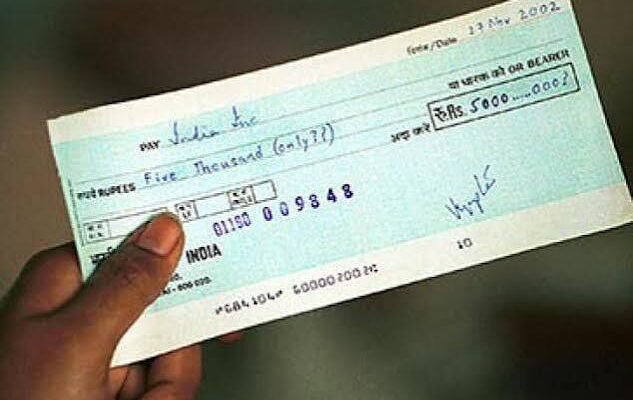
A cheque is commonly used to discharge a debt, repay a loan or settle a business transaction. When a cheque is returned unpaid by the bank, the payee may face more than a payment delay: the transaction may remain unresolved despite repeated requests for payment. Section 138 of the Negotiable Instruments Act, 1881 provides a statutory remedy in qualifying cases of cheque dishonor. However, a cheque bouncing does not automatically establish an offence under Section 138. The cheque must satisfy the statutory requirements, the payee must take the prescribed steps within the relevant time limits, and the drawer must fail to make payment within the period allowed after receiving the statutory demand notice. A complaint must then be filed in accordance with Section 142 of the Act. For a complainant, the most important early steps are preserving the cheque and bank return memo, calculating the limitation periods correctly, issuing a legally compliant demand notice and retaining proof of dispatch and delivery. For the person who receives such a notice, it is equally important to examine the underlying transaction, the amount claimed, the purpose for which the cheque was issued and whether the statutory requirements have been fulfilled.
A Section 138 case is a criminal proceeding, but its central issue ordinarily concerns the dishonor of a cheque issued towards a legally enforceable debt or other liability. The Act also creates statutory presumptions in favor of the holder of the cheque, subject to rebuttal in accordance with law. Understanding the procedure therefore requires attention to both the statutory timeline and the evidence relevant to the underlying transaction.
This article explains the procedure from cheque dishonor through the demand notice, filing of the complaint, appearance of the accused, evidence, trial, judgment and possible appeal. It also discusses important Supreme Court decisions that govern the principal stages of a cheque bounce case.
- What Is Section 138 of the Negotiable Instruments Act?
Section 138 of the Negotiable Instruments Act, 1881 deals with the dishonor of a cheque for insufficiency of funds or where the amount exceeds the arrangement made with the bank, subject to the conditions prescribed by the provision. In substance, the provision applies where a person draws a cheque on an account maintained by that person for payment of money to another person towards the discharge, wholly or partly, of a debt or other liability, and the cheque is returned unpaid for a reason covered by the section. The payee or holder in due course must then comply with the statutory requirements concerning presentation of the cheque, demand for payment and the opportunity given to the drawer to pay.
The explanation to Section 138 clarifies that the expression “debt or other liability” means a legally enforceable debt or other liability. The existence of a cheque is therefore not, in every case, the end of the legal inquiry. The nature of the underlying transaction, the purpose for which the cheque was issued and the evidence available may become important during the proceedings. The provision was introduced to strengthen the reliability of cheque-based transactions and provide a legal consequence for dishonor in the circumstances specified by the Act. It is not intended to convert every disagreement about a transaction into a criminal offence. The statutory ingredients must be satisfied.
Does every dishonored cheque lead to a Section 138 case?
No. The reason for dishonor, the purpose for which the cheque was issued, the existence of a legally enforceable debt or liability and compliance with the statutory timeline all matter. For example, a cheque issued towards repayment of an outstanding loan may attract Section 138 if the other legal requirements are fulfilled. A cheque issued merely as an advance towards a transaction that was subsequently cancelled may raise a different issue, depending on the terms of the transaction and whether a legally enforceable liability existed when the cheque became payable.
Likewise, describing a cheque as a “security cheque” does not, by itself, place it outside Section 138. The court must examine whether the cheque had become payable towards a legally enforceable liability when it was presented. The label used by the parties is not a substitute for examining the transaction.
The Supreme Court has repeatedly emphasized the importance of the underlying legally enforceable liability. In Indus Airways Pvt. Ltd. v. Magnum Aviation Pvt. Ltd., (2014) 12 SCC 539, the Court considered cheques issued as advance payments in a transaction where the purchase orders were cancelled. On the facts before it, the Court held that the dishonored cheques did not represent a legally enforceable debt or liability of the kind required by Section 138. The decision should not be read as a blanket rule that every advance cheque or security cheque is excluded; the actual terms and circumstances remain material.
- The Essential Legal Requirements of a Section 138 Case
Before issuing a demand notice or filing a complaint, the complainant should verify the principal requirements of Section 138 and the related provisions of the Act.
First, the cheque must be drawn on an account maintained by the drawer. The cheque must be attributable to the person whose liability is alleged. Where a company or other entity is involved, the provisions governing offences by companies may also become relevant.
Second, the cheque must relate to a legally enforceable debt or other liability. The cheque must have been issued towards payment of money in circumstances falling within the provision. Whether the liability existed and was legally enforceable may become a central issue at trial.
Third, the cheque must be presented within its period of validity. In ordinary banking practice, cheques are valid for three months from their date, subject to applicable banking directions. The complainant should not assume that a cheque can be presented at any time merely because the underlying debt remains unpaid.
Fourth, the cheque must be returned unpaid for a reason covered by Section 138. Insufficiency of funds and an amount exceeding the arrangement with the bank are expressly covered. Other return reasons, such as a direction to stop payment or closure of an account, may also attract the provision depending on the circumstances and the applicable law. The wording of the bank return memo should therefore be examined rather than treated as a mere formality.
Fifth, the payee or holder in due course must issue a written demand notice within the prescribed period. The notice must demand payment of the cheque amount and comply with the statutory requirements.
Sixth, the drawer must fail to pay the cheque amount within 15 days of receipt of the notice. The cause of action arises only after the statutory period expires without payment.
Finally, the complaint must be filed in accordance with Section 142. This includes the requirements concerning who may file the complaint, the prescribed filing period and the court competent to try the offence.
These requirements are connected. A defect in the statutory timeline can affect maintainability even where the underlying transaction is genuine. Conversely, compliance with the timeline does not by itself prove every disputed fact concerning the debt or liability.
- The Statutory Timeline: From Dishonor to Filing the Complaint
The timeline under Section 138 is one of the most important parts of the procedure. The dates should be calculated from the relevant statutory events, not simply from the date on which the cheque was issued or the complainant first learned that payment had not been made.
Stage 1: Present the cheque within its validity period
The cheque must be presented within its period of validity. Under ordinary banking directions, a cheque is generally valid for three months from the date written on it. If a cheque is returned unpaid, the complainant should obtain and preserve the bank return memo. Section 146 of the Negotiable Instruments Act provides that, on production of the bank’s slip or memo bearing the official mark denoting dishonor, the court shall presume the fact of dishonor unless that fact is disproved. The return memo is therefore an important piece of evidence. The complainant should retain the original cheque, the return memo, the relevant bank records and the documents relating to the transaction.
Stage 2: Issue the statutory demand notice within 30 days
Under clause (b) of the proviso to Section 138, the payee or holder in due course must make a demand for payment by giving a written notice to the drawer within 30 days of receiving information from the bank regarding the return of the cheque unpaid. The notice should identify the cheque, its date and amount, the fact of dishonor and the demand for payment of the cheque amount. The demand must be clear enough to meet the statutory requirement. The notice should not be treated merely as an ordinary reminder or a general demand for settlement of a larger account.
In Suman Sethi v. Ajay K. Churiwal, (2000) 2 SCC 380, the Supreme Court considered the requirement of a demand notice under Section 138. The judgment explains the importance of a clear demand for the cheque amount while recognizing that additional claims, such as interest or costs, do not necessarily invalidate a notice if the statutory demand is properly identifiable. The notice must be read as a whole to determine whether it satisfies the Act.
The complainant should retain a copy of the notice and proof of dispatch, such as the postal receipt and tracking record. Where electronic or other permitted modes are used, the relevant records should also be preserved. The address used for service should be checked carefully against the available records.
Stage 3: Allow 15 days for payment after receipt of notice
The drawer must be given 15 days from receipt of the statutory notice to pay the cheque amount. If the drawer makes the required payment within that period, the statutory basis for proceeding under Section 138 on that dishonor does not arise in the ordinary course. The cause of action arises when the drawer fails to pay within the 15-day period. The complainant should therefore calculate the next limitation period from the expiry of this period, rather than filing the complaint immediately after dispatching the notice.
Stage 4: File the complaint within one month of the cause of action
Section 142(1)(b) requires the complaint to be made within one month from the date on which the cause of action arises under clause (c) of the proviso to Section 138. The Act permits the court to take cognizance after the prescribed period if the complainant satisfies the court that sufficient cause existed for not filing within time and the delay is condoned in accordance with law. The limitation period must be calculated from the relevant dates, including the date of receipt of the notice and the expiry of the 15-day payment period. Where service is disputed, refused or returned undelivered, the legal consequences depend on the circumstances and applicable principles governing service; the complainant should not automatically assume that the limitation calculation is unaffected.
The one-month period is a statutory period and should not be casually treated as a fixed 30-day period in every calculation. The relevant rules for computation of limitation and the specific dates must be checked before filing.
A simple chronology prepared before filing should record:
- Date of cheque.
- Date of presentation and bank return.
- Date on which information of dishonor was received.
- Date of dispatch of the demand notice.
- Date of receipt or legally relevant service of notice.
- Date on which the 15-day payment period expired.
- Last date for filing the complaint, calculated under the applicable limitation rules.
Maintaining this chronology reduces the risk of a complaint being challenged as premature or time-barred.
- Preparing and Filing a Section 138 Complaint
Once the statutory cause of action has arisen, the payee or holder in due course may institute a written complaint in accordance with Section 142 of the Negotiable Instruments Act. The complaint should set out the facts establishing the offence, the relevant dates and the documents relied upon. The objective is to place before the Magistrate a clear account of the transaction, the cheque, the dishonor, the demand notice and the drawer’s failure to pay within the statutory period. A complaint should ordinarily identify the complainant and accused, describe the transaction giving rise to the liability, specify the cheque particulars, state the reason for dishonor as recorded by the bank, and set out the notice and limitation chronology. It should also explain why the complainant is entitled to institute the proceeding and why the court has territorial jurisdiction.
The documents commonly relied upon include the original cheque, the bank return memo, a copy of the demand notice, postal receipts, tracking records or other proof of service, and documents relating to the underlying transaction. Depending on the case, invoices, account statements, loan records, agreements, acknowledgments of liability, correspondence and other supporting documents may be relevant. The documents required in an individual case will depend on the transaction and applicable court rules. The complainant should ensure that the pleadings and annexures are consistent. For example, the cheque amount stated in the complaint, the statutory notice and the prayer should match. Any additional amount claimed as interest or costs should be distinguished from the cheque amount demanded under Section 138.
Who can file the complaint?
Section 142(1)(a) provides that a court cannot take cognizance of an offence under Section 138 except upon a written complaint made by the payee or, as the case may be, the holder in due course of the cheque. The identity and legal status of the complainant should therefore be checked before filing.
Where a cheque is issued in favor of a company, partnership or other entity, the complaint must be instituted by a person legally competent to act for that entity, with the appropriate authorization and supporting records where required. The complainant’s authority to represent the payee is a matter that should be addressed properly in the pleadings and evidence.
Which court has territorial jurisdiction?
Section 142(2) governs the territorial jurisdiction of a Section 138 complaint. Where the cheque is delivered for collection through an account, jurisdiction generally lies with the court within whose local jurisdiction the branch of the bank where the payee or holder in due course maintains the account is situated. Where the cheque is presented for payment otherwise than through an account, the statutory rule refers to the branch of the drawee bank where the drawer maintains the account.
In Bridgestone India Pvt. Ltd. v. Inderpal Singh, (2016) 2 SCC 75, the Supreme Court considered the effect of the 2015 amendment and affirmed the jurisdictional rule under Section 142(2). The place where the payee maintains the relevant account is therefore important in cases involving collection through an account. The court should not be selected merely because the complainant, accused or underlying business transaction is located there.
Before filing, the complainant should verify the bank branch particulars and the applicable jurisdictional provision. Section 142A also addresses the transfer and consolidation of certain cases, including subsequent complaints against the same drawer in the circumstances specified by that provision.
What happens after filing?
After the complaint is filed, the Magistrate examines whether the legal requirements for proceeding are satisfied. The court may consider the complaint, supporting documents and the applicable procedural requirements before deciding whether to issue process to the accused. The filing of a complaint does not itself amount to a finding that the accused has committed an offence. At this stage, the court is concerned with whether the matter should proceed in accordance with law. The accused will have an opportunity to participate in the proceeding and contest the allegations at the appropriate stages.
- Summoning the Accused and Appearance Before the Court
If the Magistrate finds sufficient grounds to proceed, process may be issued to secure the accused’s appearance. The summons informs the accused of the proceeding and directs appearance before the court. The method of service and the subsequent orders will depend on the court’s directions and the circumstances of the case. Where the accused is a company, the complaint may also involve issues under Sections 138 and 141 of the Act. Section 141 deals with offences by companies and the circumstances in which persons responsible for the company’s business, or other specified officers, may incur liability. It is not sufficient to name every director or officer merely because that person is associated with the company; the statutory requirements governing vicarious liability must be addressed.
Must the accused personally attend every hearing?
Not necessarily. The court may permit exemption from personal appearance in appropriate circumstances, subject to the applicable procedure and conditions imposed. Such exemption is a matter for the court to consider; an accused should not simply assume that attendance is unnecessary because the case concerns a cheque. The practical position is that a party should comply with the summons and court directions. If personal appearance is genuinely difficult, an appropriate application should be made rather than allowing the case to be delayed through unexplained absence.
- Plea of the Accused and the Course of Trial
Once the accused appears, the court proceeds with the matter in accordance with the procedure applicable to Section 138 cases. These cases are governed by the special provisions in Chapter XVII of the Negotiable Instruments Act, including Sections 143 to 147, together with the applicable criminal procedure. Section 143 provides for summary trial of Section 138 offences, subject to the statutory provisions and the court’s power to proceed otherwise where appropriate. The Act was designed to facilitate the disposal of cheque dishonor cases, although the actual duration of a case depends on the court’s workload, service of process, the number of accused, the evidence and the conduct of the proceedings.
At the appropriate stage, the substance of the accusation is explained to the accused and the plea is recorded. The accused may contest the case or admit the accusation. If the matter is contested, the court proceeds to consider the evidence and the defenses raised. The procedure should not be confused with a full-fledged civil suit for recovery. A Section 138 complaint is a criminal prosecution for the statutory offence. The court determines criminal liability under the Act and may impose the sentence or compensation permitted by law. A separate civil remedy for recovery may also be available in a suitable case, but the legal basis and relief in each proceeding must be considered independently.
Complainant’s evidence by affidavit
Section 145(1) of the Negotiable Instruments Act permits the complainant’s evidence to be given by affidavit, and that affidavit may be read in evidence in the inquiry, trial or other proceeding, subject to the statutory provision. This facilitates the presentation of the complainant’s evidence without requiring the complainant to repeat the entire account orally at the outset in every case.
Section 145(2) allows the court to summon and examine a person who has given evidence by affidavit. On an application by the prosecution or the accused, the court is required to summon and examine that person in accordance with the provision, subject to the law governing the proceedings.
Cross-examination and defense
Where the accused contests the allegations, the complainant’s evidence may be tested through cross-examination in accordance with law. This stage can be significant because the defense may question the transaction, the existence of the debt, the complainant’s account of events, the documents produced and the circumstances in which the cheque was issued. The accused may also place relevant defense material before the court. The nature of the defense will depend on the case. It may concern the existence or amount of the liability, the purpose for which the cheque was delivered, repayment, the circumstances of presentation, the validity of the statutory notice or another issue relevant to the ingredients of the offence.
The court must evaluate the evidence and the statutory presumptions discussed in the next section. A defense is not established merely by denying the liability, but neither is the accused required to prove every defense beyond reasonable doubt. The applicable standard and burden of proof are governed by the Act and the decisions of the Supreme Court.
- Presumption in Favor of the Complainant: Sections 118 and 139
One of the most important features of a Section 138 case is the statutory presumption that arises once the necessary foundational facts are established. Sections 118(a) and 139 of the Negotiable Instruments Act operate together: Section 118(a) provides a presumption as to consideration, while Section 139 requires the court to presume, unless the contrary is proved, that the holder of the cheque received it for discharge, wholly or partly, of a debt or other liability. These presumptions do not mean that every complainant succeeds automatically. They affect the burden of proof, and the accused is entitled to rebut them in accordance with law.
In Rangappa v. Sri Mohan, (2010) 11 SCC 441, a three-Judge Bench of the Supreme Court held that the presumption under Section 139 includes the existence of a legally enforceable debt or liability. Once the relevant foundational facts are established, the accused must raise a probable defense to rebut the presumption. The practical significance is that a bare denial of liability may not be sufficient. The defense should identify material circumstances that make the non-existence of the alleged debt or liability reasonably probable. If the presumption is rebutted, the complainant must establish the case in accordance with the applicable criminal standard of proof, considering the evidence as a whole.
Does admitting the signature on the cheque mean the accused must be convicted?
No. Admission of the signature can trigger the statutory presumption, but it does not make conviction inevitable. The presumption is rebuttable, and the court must consider the defense and the entire evidence.
In Bir Singh v. Mukesh Kumar, (2019) 4 SCC 197, the Supreme Court held that a cheque voluntarily signed and handed over by the drawer does not become invalid merely because the particulars were filled in by another person. However, that principle does not eliminate the requirement of a legally enforceable debt or liability. The facts and evidence remain relevant to whether the statutory presumption has been rebutted.
A complainant should therefore preserve the evidence of the underlying transaction rather than assume that the cheque alone will answer every possible defense. An accused, in turn, should examine the transaction documents, payment records, correspondence and circumstances in which the cheque was delivered before deciding how to contest the presumption.
- Interim Compensation Under Section 143A
Section 143A of the Negotiable Instruments Act permits the trial court to direct the drawer to pay interim compensation to the complainant in specified circumstances. It is not the same as the final compensation or fine that may be ordered after the case is decided. Under Section 143A, the court may order interim compensation where the accused pleads not guilty to the accusation in a summary trial or summons case, and in other cases upon framing of charge. The amount cannot exceed 20% of the cheque amount. The statute also prescribes the period for payment and provides for recovery in the event of default, subject to its terms.
The word “may” is important. Interim compensation is not an automatic consequence of every contested Section 138 complaint. The court must exercise the statutory discretion judicially and consider the circumstances relevant to the application. A complainant seeking interim compensation should make an appropriate application and explain why the statutory power should be exercised. The accused may oppose the application on legally relevant grounds. The court’s decision on interim compensation is not a final determination of guilt.
- What Defenses Can Be Raised in a Section 138 Case?
The defense depends on the transaction and the evidence. Common issues include whether a legally enforceable debt existed, whether the cheque was issued towards that liability, whether the amount claimed is correct, whether payment was already made, and whether the statutory requirements were fulfilled. A defense may also concern the circumstances in which the cheque was delivered, the complainant’s account of the transaction, inconsistencies in the documents, or the legal responsibility of a particular accused. The court will assess whether the defense is supported by evidence and whether it is sufficient to rebut the statutory presumption.
Security cheque
A cheque described as a security cheque is not automatically outside Section 138. The key question is whether a legally enforceable debt or liability had become due when the cheque was presented.
Cheque issued towards a loan or other financial transaction
Where the cheque is alleged to have been issued towards repayment of a loan, the underlying transaction may become important if the accused raises a probable defense. Relevant material may include the loan agreement, bank transfers, receipts, account entries, acknowledgments, correspondence and evidence concerning the parties’ financial dealings. The complainant should be prepared to explain the transaction consistently and produce the available supporting records. The accused may challenge the existence or enforceability of the liability through evidence and circumstances. Neither side should assume that a single document will necessarily resolve every issue.
Payment, discharge or settlement
If the accused contends that the liability was already paid, reduced or otherwise discharged, the relevant payment records and communications may be important. The court will examine whether the alleged payment relates to the cheque amount and whether it occurred at a legally relevant time.
Where the parties have entered into a settlement, they should document the terms clearly, including the amount payable, the payment schedule and the steps to be taken in the pending case. A private settlement should not be assumed to have formally disposed of the criminal proceeding without the necessary steps before the court.
Defenses concerning notice and limitation
The accused may also dispute compliance with the statutory demand notice or the filing timeline. Such issues require careful examination of the dates, address used, postal or other service records and the contents of the notice. A challenge to notice or limitation should be based on the statutory requirements and the actual record. Conversely, the complainant should retain evidence of dispatch and service and ensure that the complaint contains a correct chronology.
- Final Arguments, Judgment and Consequences of Conviction
After the parties have completed the evidence permitted by the court and the procedural requirements have been satisfied, the matter proceeds towards final arguments and judgment. The court considers the ingredients of Section 138, the documentary and oral evidence, the statutory presumptions, any rebuttal and the applicable legal principles. If the court finds that the offence has not been established, the accused may be acquitted. If the court finds the offence proved, it may convict the accused and impose a sentence permitted by Section 138.
Section 138 provides for imprisonment for a term that may extend to two years, a fine that may extend to twice the amount of the cheque, or both. The sentence and fine are matters for the court to determine in accordance with the law and circumstances of the case. The maximum punishment stated in the statute should not be mistaken for the sentence imposed in every case. The court may also direct payment of compensation in accordance with the applicable law. The amount of compensation is not necessarily identical to the cheque amount in every case; it must be understood in the context of the sentence, fine and compensation provisions and the particular order passed.
A party dissatisfied with the judgment may have a remedy before the appropriate appellate court, subject to the applicable statutory conditions and limitation period. The available route depends on the nature of the order, the court that passed it and the procedural law governing the appeal.
- Can a Section 138 Case Be Settled?
Yes. Section 147 of the Negotiable Instruments Act provides that offences under the Act are compoundable, notwithstanding the general provisions governing compounding of offences. This allows the parties to resolve a cheque dishonor case through a settlement, subject to the applicable procedure and the court’s orders. Settlement may take place at different stages of the proceeding. The parties may resolve the dispute before evidence begins, during trial, after conviction or while an appeal is pending. The practical steps will depend on the stage of the case and the terms agreed upon.
A settlement should clearly state the amount payable, the time for payment, the mode of payment and the consequences of default. If payment is to be made in instalments, the schedule and the treatment of the pending complaint should be addressed expressly. Where the accused is a company or more than one person is involved, the settlement should identify the parties and liabilities covered by it. A settlement should not be treated as complete merely because the parties have exchanged messages or agreed orally. The agreed terms should be documented, and the necessary application or statement should be placed before the court so that the proceeding can be disposed of in accordance with law.
- What Happens If the Accused Is Convicted?
A conviction under Section 138 may be challenged before the appropriate appellate court, subject to the statutory requirements and limitation period. The accused should obtain the judgment and order, examine the grounds available for appeal and consider the requirements concerning suspension of sentence and any deposit ordered by the appellate court.
Section 148 of the Negotiable Instruments Act empowers the appellate court, in an appeal by the drawer against conviction under Section 138, to direct a deposit of a sum that is ordinarily not less than 20% of the fine or compensation awarded by the trial court. The section prescribes the time for deposit and permits the appellate court to direct release of the deposited amount to the complainant during the appeal, subject to the statutory conditions.
- Practical Checklist for a Complainant
Before instituting a Section 138 complaint, the complainant should review the transaction and statutory record as a whole. The following checklist can help identify issues that should be addressed before filing.
Cheque and dishonor: Confirm the cheque details, the account and drawer particulars, the presentation date and the reason recorded in the bank return memo. Preserve the original cheque and relevant bank records.
Underlying liability: Keep the documents showing why the cheque was issued and what amount was due. Depending on the transaction, these may include an agreement, invoice, loan record, account statement, acknowledgment or relevant correspondence.
Statutory notice: Check that the written demand notice was issued within 30 days of receiving information of dishonor, demands the cheque amount and is supported by proof of dispatch and service.
Limitation: Prepare a chronology showing the relevant dates and calculate the 15-day payment period and the one-month complaint period under Section 142. Do not assume that a premature complaint can simply be held over until the cause of action arises.
Complainant and jurisdiction: Confirm that the complaint is being instituted by the payee or holder in due course, that the representative has the required authority where an entity is involved, and that the selected court has territorial jurisdiction under Section 142(2).
Pleadings and evidence: Ensure that the cheque amount, dates and factual account are consistent throughout the complaint, notice and supporting documents. Identify the evidence relevant to the transaction and anticipate any likely defense concerning liability, repayment or the purpose for which the cheque was issued.
Court directions and settlement: Attend to summons and court directions, seek exemption from personal appearance where legally justified, and record any settlement in a form that can be acted upon by the court.
The checklist is not a substitute for examining the facts of an individual case. It is intended to reduce avoidable procedural errors and help the complainant present the dispute clearly.
Frequently Asked Questions
1. What is the first step after a cheque bounces?
Obtain the bank return memo and check the date on which information of dishonor was received. If the matter falls within Section 138, the payee or holder in due course must issue the written demand notice within 30 days as required by the Act.
2. How many days must be given to the drawer after sending the legal notice?
The drawer must be given 15 days from receipt of the statutory notice to pay the cheque amount. The cause of action arises when the drawer fails to pay within that period.
3. What is the time limit for filing a cheque bounce complaint?
Under Section 142(1)(b), the complaint must generally be filed within one month from the date on which the cause of action arises. The court may condone delay if sufficient cause is shown, in accordance with the statutory proviso.
4. Can a case be filed if the cheque was given as security?
Potentially, yes. The description “security cheque” does not automatically exclude Section 138. The important question is whether a legally enforceable debt or liability had become due when the cheque was presented. The terms of the transaction and the evidence must be examined.
5. Can the accused defend the case after admitting the cheque signature?
Yes. Admission of the signature ordinarily attracts the statutory presumptions under Sections 118 and 139, but those presumptions are rebuttable. The accused may raise a probable defense based on the evidence, documents and circumstances of the transaction.
6. Can the complainant claim interim compensation during the case?
Section 143A empowers the trial court to order interim compensation in the circumstances specified by the provision, up to 20% of the cheque amount. The power is discretionary and is not an automatic entitlement in every case.
7. Can a Section 138 case be settled after it has been filed?
Yes. Section 147 permits compounding of offences under the Act. The parties should record the settlement terms clearly and take the necessary steps before the court to have the proceeding disposed of in accordance with law.
8. What is the maximum punishment under Section 138?
The provision allows imprisonment for a term that may extend to two years, a fine that may extend to twice the cheque amount, or both. The actual sentence depends on the court’s assessment and the applicable law.
9. Which court has jurisdiction to hear a cheque bounce case?
Section 142(2) generally identifies the court by reference to the branch where the payee or holder in due course maintains the account, when the cheque is delivered for collection through an account. The provision contains a separate rule for presentation otherwise than through an account. The relevant bank and account details should be verified before filing.
10. Does filing a Section 138 case prevent a civil recovery proceeding?
Not necessarily. A civil proceeding for recovery and a criminal complaint under Section 138 serve different legal purposes and may be available on the same underlying transaction where the law permits. The facts, relief sought and any applicable restrictions should be examined before pursuing parallel proceedings.
Conclusion
A cheque bounce case under Section 138 of the Negotiable Instruments Act is governed by a specific statutory sequence. The cheque must be presented within its validity, the demand notice must be issued within the prescribed period, the drawer must be given 15 days after receipt of notice to pay, and the complaint must be filed within the period prescribed by Section 142. Once the complaint reaches court, the proceeding involves scrutiny of the pleadings and documents, appearance of the accused, consideration of the statutory presumptions, evidence, defense, arguments and judgment. Interim compensation, settlement, conviction and appeal may arise depending on the circumstances and stage of the case.
The procedure is time-sensitive, and errors in the notice or limitation calculation can create avoidable difficulties. At the same time, the existence of a dishonored cheque does not eliminate the need to consider the underlying legally enforceable liability and the evidence in the case. A properly prepared complaint, a clear chronology and a careful examination of the relevant documents are therefore central to presenting or defending a Section 138 proceeding.
Further information about Cheque Bounce & Section 138 NI Act is available on our Cheque Bounce & Section 138 NI Act Page.
Legal Information and Authorship Disclosure
This article is intended for general legal awareness in India and does not constitute legal advice for any individual dispute. The applicable procedure and outcome depend on the facts, documents, court directions and law governing the case. Reading this article does not create an advocate–client relationship, and no particular result is guaranteed. Furthermore AI tools were used to assist with the preparation and editing of this article.
Author: Adv. Dharmendra Chawla, Advocate, enrolled with the Bar Council of Maharashtra and Goa.
Principal legislation: Negotiable Instruments Act, 1881, particularly Sections 118, 138–148.
Subscribe to Our Newsletter
Get legal updates, tax insights, and business compliance tips directly in your inbox.